rajplasticindustries.com

untitled design (5)
untitled design (5)
untitled (1440 x 420 px) (1)

Thermoplastic Polymers – Brief

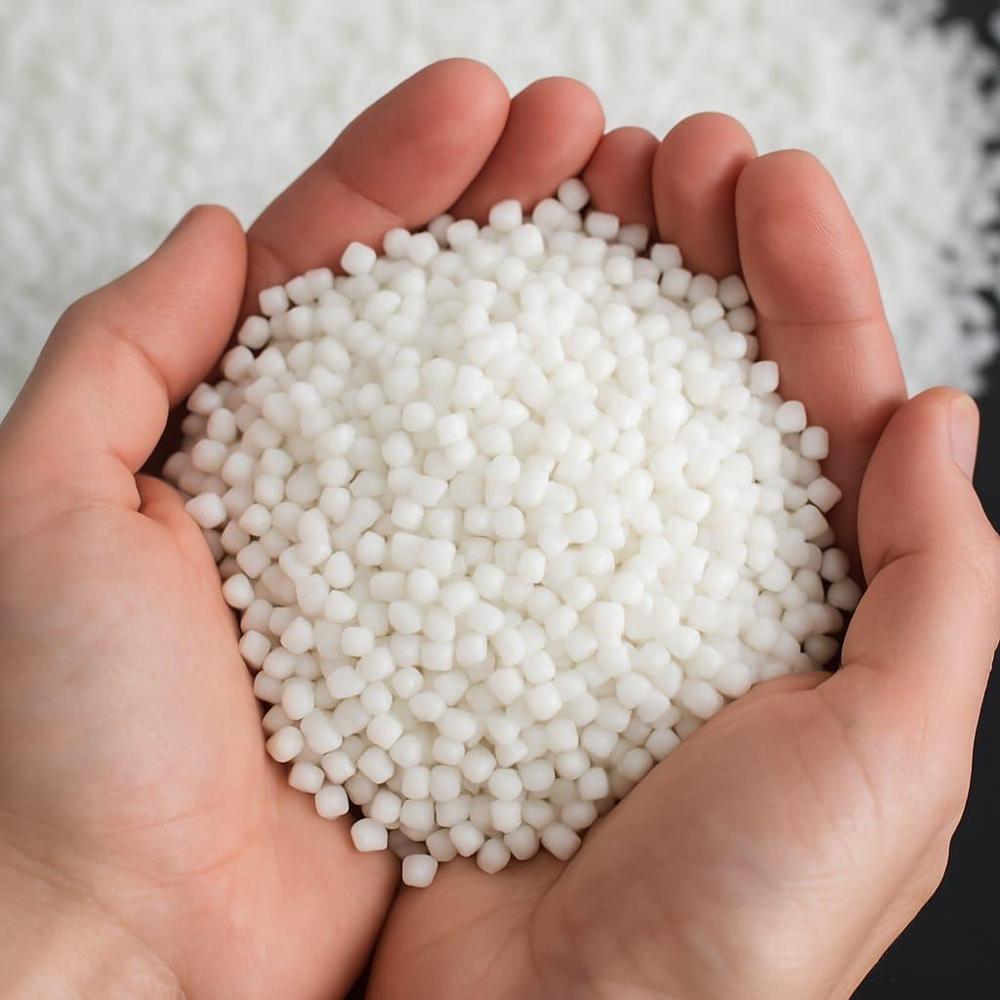
Thermoplastic polymers are plastics that soften when heated and harden when cooled, and this process can be repeated many times.
🔹 Key Properties

  • Can be reshaped and recycled
  • Easy to process (injection molding, extrusion, etc.)
  • Lightweight
  • Good chemical resistance

🔹 Common Examples

  • Polypropylene (PP)
  • Polyethylene (PE)
  • Polyvinyl Chloride (PVC)
  • ABS (Acrylonitrile Butadiene Styrene)
  • Nylon
  • Polycarbonate (PC)

🔹 Applications

  • Packaging materials
  • Automotive parts
  • Household products
  • Electrical components
untitled design (6)
whatsapp image 2026 04 11 at 13.05.05

TPE (Thermoplastic Elastomer)

🔹 Key Features

  • Used with commodity polymers like PE, PP, and PVC
  • Cost-effective solution
  • Suitable for basic coloring and simple additives

🔹 Applications

  • Packaging materials
  • Plastic bags
  • Household items

TPO (Thermoplastic Olefin)

🔹 Key Features

  • Used with engineering plastics like ABS, Nylon, and Polycarbonate (PC)
  • High-quality and performance-based
  • Provides precise color and enhanced/special properties

🔹 Applications

  • Automotive components
  • Electrical parts
  • Technical/industrial components
whatsapp image 2026 04 11 at 13.05.06
whatsapp image 2026 04 11 at 13.05.06 (1)

TPU (Thermoplastic Polyurethane)


🔹 Key Features

  • Very high flexibility and abrasion resistance
  • Strong and durable

🔹 Applications

  • Footwear soles
  • Cables
  • Mobile/phone covers

TPR (Thermoplastic Rubber)

🔹 Key Features

  • Rubber-like material with good flexibility
  • Cost-effective compared to TPU
  • Provides good grip and elasticity

🔹 Applications

  • Shoe soles
  • Handles
  • Grips
thermoplastic polyolefin